
hard work, Real Impact
CALIFORNIA TAHOE CONSERVANCY
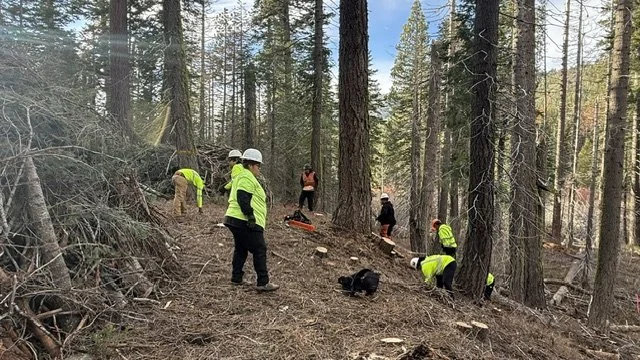
Yosemite National Park Forest Health and Fuels Reduction Project
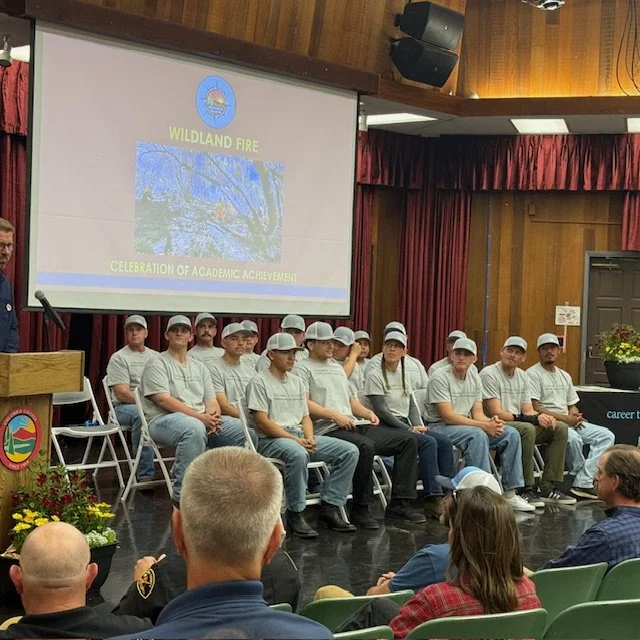
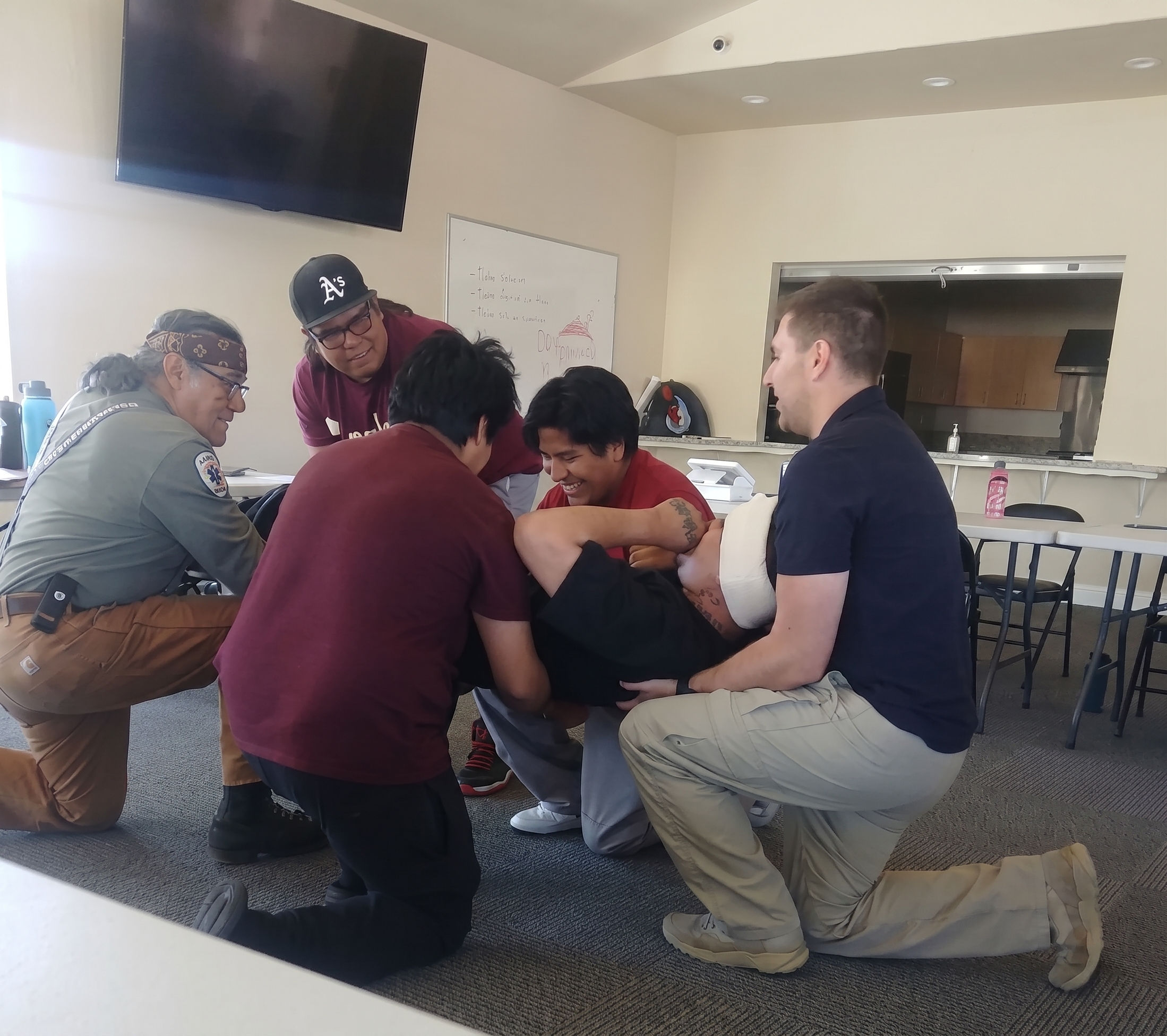
Located in the heart of the Sierra Nevada, Columbia College is California’s premier training ground for wildland firefighters. The upcoming Spring Semester Cohort provides an immersive, hands-on program that equips students with the skills and knowledge necessary to protect lives, communities, and natural landscapes from wildfires.This 16-to-19 unit program offers top-tier training and highly desired industry certifications through comprehensive courses such as Basic Wildland Firefighter, Basic Power Saw Safety, and Wildland Fire Control.
This intensive training creates direct career pathways for exciting and critical roles, including hotshot and hand crew members, helitack crew members, and fireline EMTs.Students also benefit from paid work experience, with both on-campus housing and financial aid options available to support their educational journey.To learn more about enrolling and learning to prepare, protect, and lead, contact Torri Azevedo at 209-588-5212 or azevedot@yosemite.edu, or visit www.gocolumbia.edu.
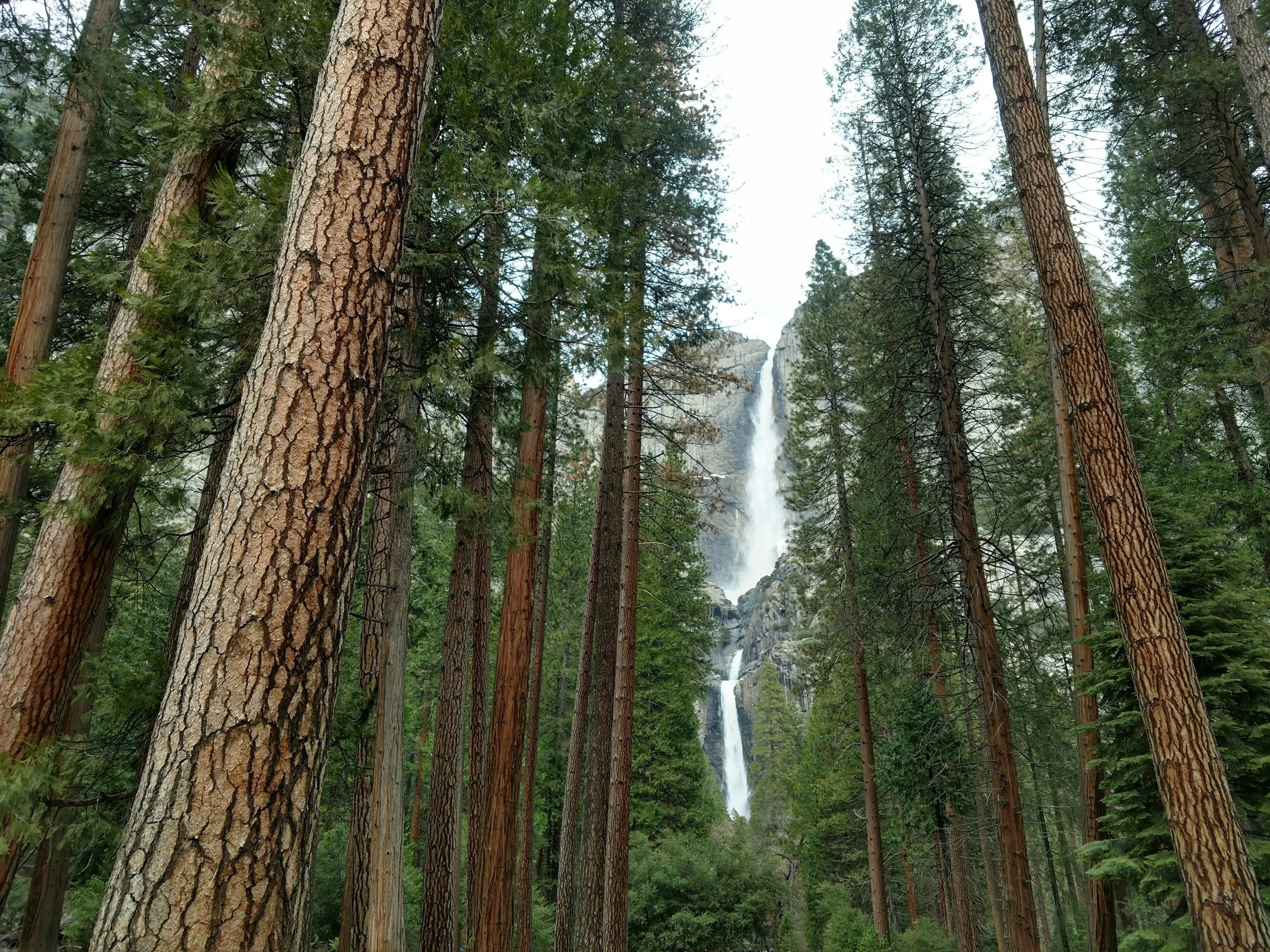
Stanislaus National Forest Stewardship and Facility Improvement
Project Overview
In collaboration with the USDA Forest Service, Calaveras Healthy Impact Product Solutions (CHIPS) deployed specialized crews to the Calaveras Ranger District within the Stanislaus National Forest. This comprehensive initiative was designed to simultaneously restore local ecosystems, mitigate wildfire risks, and significantly enhance public recreation facilities so the forest remains safe and accessible for all visitors.
Recreation and Infrastructure Maintenance
A major focus of this project was preserving the accessibility and beauty of the forest's public spaces. Our crews undertook extensive maintenance across trails and roadways, which included removing fallen logs, clearing culverts, and repairing essential drainage features like water bars and swales. In high-traffic public areas, CHIPS team members restored campsites, cleaned fire pits, repaired vandalism and graffiti, and maintained restroom facilities. We also built and repaired various types of fencing and updated forest signage to help safely guide visitors.
Ecological Restoration and Forest Health
To promote long-term environmental resilience, CHIPS executed targeted forestry and restoration treatments. Working closely with Forest Service experts who identified protected resources and silvicultural needs, our crews safely removed hazard trees, thinned overgrown areas, and pruned vegetation. We also focused on ground-level restoration by tilling soil, spreading native seeds to encourage healthy plant growth, and managing hazardous fuels to protect the area from future wildfires.
Community Outreach and Cultural Care
Beyond physical site improvements, CHIPS crews engaged directly with the public, offering front-desk visitor services and distributing maps and brochures to enhance the recreation experience. All operations were conducted with a strict commitment to safety and cultural preservation, ensuring that sensitive administrative and heritage sites within the forest were treated with the utmost respect and care.
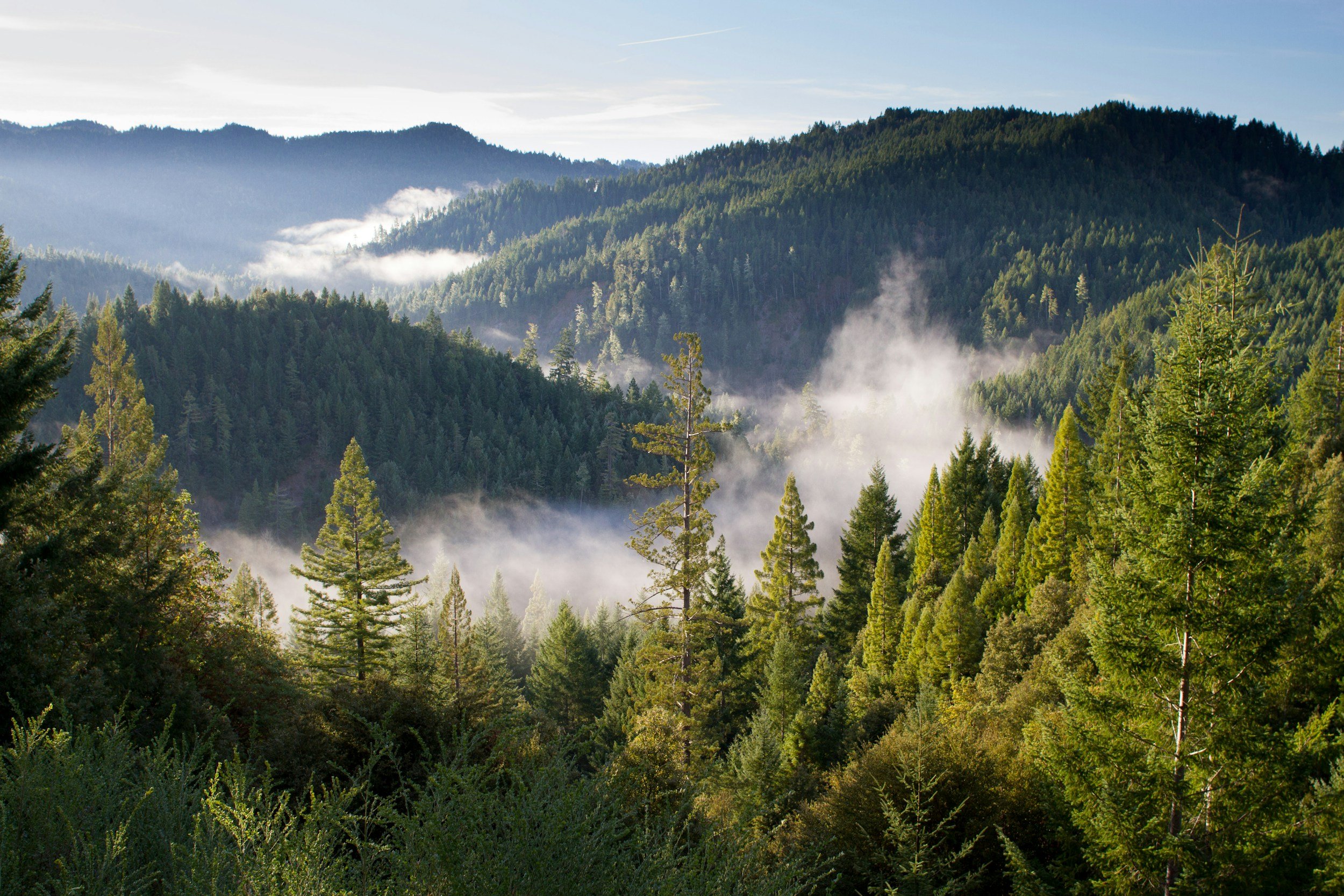
Placer County South Fuel Hazard Reduction Project
Project Overview
Calaveras Healthy Impact Product Solutions (CHIPS) partnered with the California Tahoe Conservancy to provide essential forestry and hazardous fuels management services across Conservancy-managed lands. With a primary focus on the Placer County South Fuel Hazard Reduction Project, this initiative was designed to improve forest health, enhance ecological resilience, and significantly reduce wildfire risks in the Lake Tahoe region.
Scope of Work
With a strong commitment to environmental stewardship, CHIPS crews performed comprehensive, on-the-ground forestry treatments. Our day-to-day operations focused on creating safer, more resilient landscapes and included:
Selectively removing hazardous trees and overgrown brush.
Chipping and piling excess vegetation to clear congested forest floors.
Implementing general hazardous fuels management to protect nearby communities.
Environmental and Wildlife Protection
A core component of this project was executing the forestry work while rigorously protecting the local ecosystem. Before any clearing began, our crews underwent specialized training in wildlife identification and protection. We worked closely with Conservancy biologists to survey the land, ensuring that active habitats like raptor nests, tree-dwelling mammal burrows, and bat roosts were preserved with strict protective buffers.
Additionally, operations were carefully monitored and adjusted daily based on U.S. Forest Service weather and fire danger levels. Crews utilized specialized safety equipment and strict operational protocols to prevent wildfire ignition during dry and windy conditions.
Project Impact
Spanning through the end of 2026, this million-dollar initiative represents a major investment in the ecological health of the Lake Tahoe Basin. By clearing hazardous fuels, protecting native wildlife, and maintaining safe community buffers, CHIPS is proud to help safeguard the local environment and surrounding neighborhoods against the threat of catastrophic wildfires.
Project Overview
In partnership with the Mariposa County Resource Conservation District and Yosemite National Park staff, Calaveras Healthy Impact Product Solutions (CHIPS) undertook a critical forest health initiative within the park. Supported by the Wildlife Conservation Board and California Climate Investments, this project focused on mitigating tree mortality and reducing hazardous fuels to protect one of the nation's most iconic landscapes.
Scope of Work
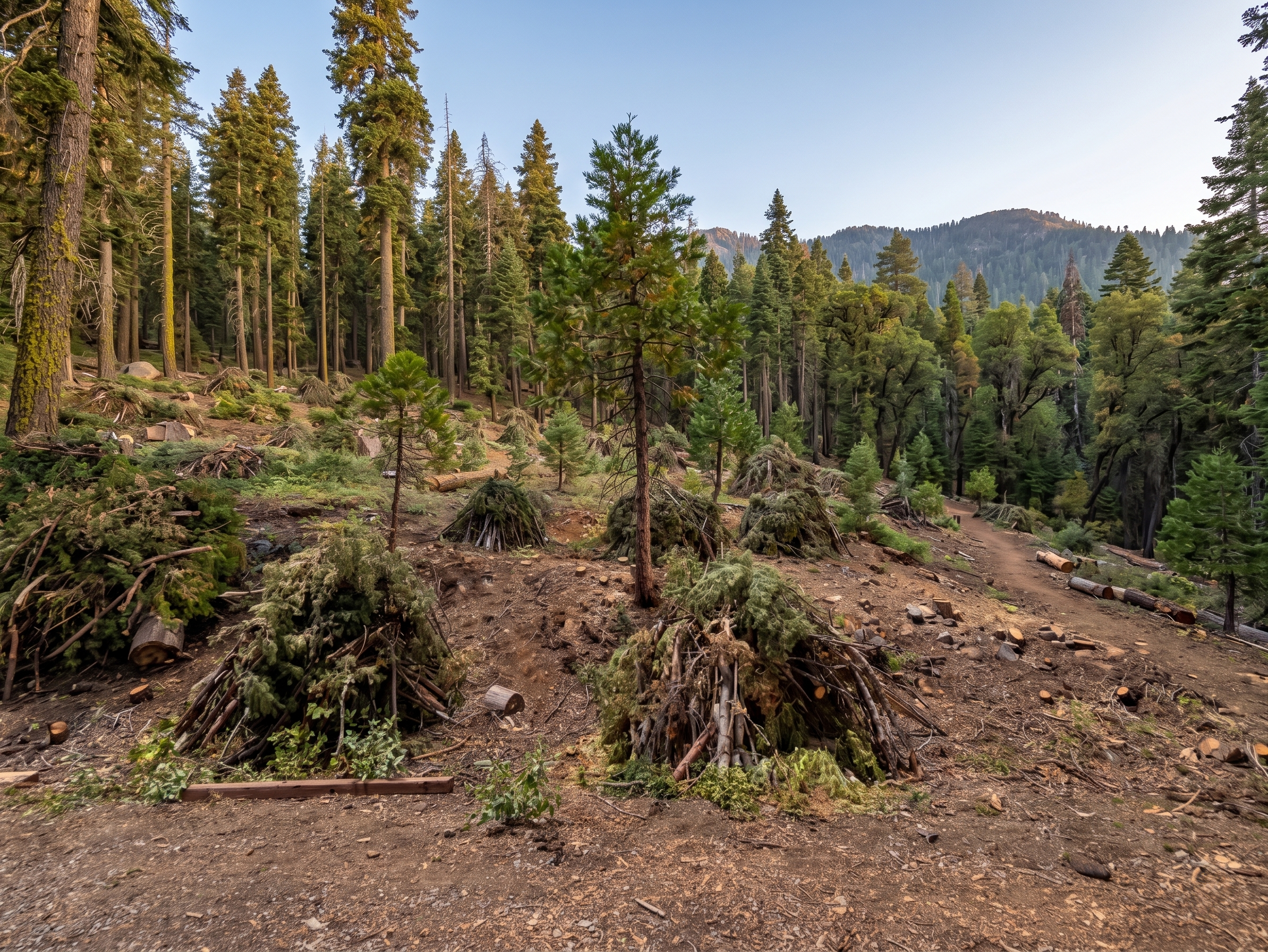
Our specialized hand crews conducted targeted forestry operations designed to clear congested areas and remove hazardous trees. The daily fieldwork involved:
Selectively felling designated trees up to 20 inches in diameter to safely thin the forest.
Limbing and bucking downed timber.
Chipping excess brush and carefully constructing dense, stable piles for future controlled burns.
Lopping and scattering organic material to serve as a protective, natural ground cover.
Environmental and Cultural Stewardship
Working in Yosemite requires the highest level of care for the environment and its history. Our crews operated under strict ecological and cultural protection guidelines, ensuring that the natural beauty and heritage of the park were preserved. Key protective measures included:
Establishing operational buffers to protect nesting birds and denning habitats for the Pacific fisher.
Carefully navigating around and preserving known rare plant populations and sensitive archaeological sites without causing ground disturbance.
Adhering to rigorous equipment cleaning and inspection standards to prevent the introduction of invasive, non-native plant species.
Completely rehabilitating work sites by restoring natural ground contours and raking pine needles and duff over disturbed soil to leave the forest looking untouched.
Community Impact
Beyond environmental restoration, this project had a direct positive impact on the local workforce. CHIPS is proud to have staffed this initiative primarily with field crew members of California American Indian descent residing in the surrounding Sierra Nevada region, providing meaningful employment and fostering a continued connection to the stewardship of these historic lands.