
chips forestry services
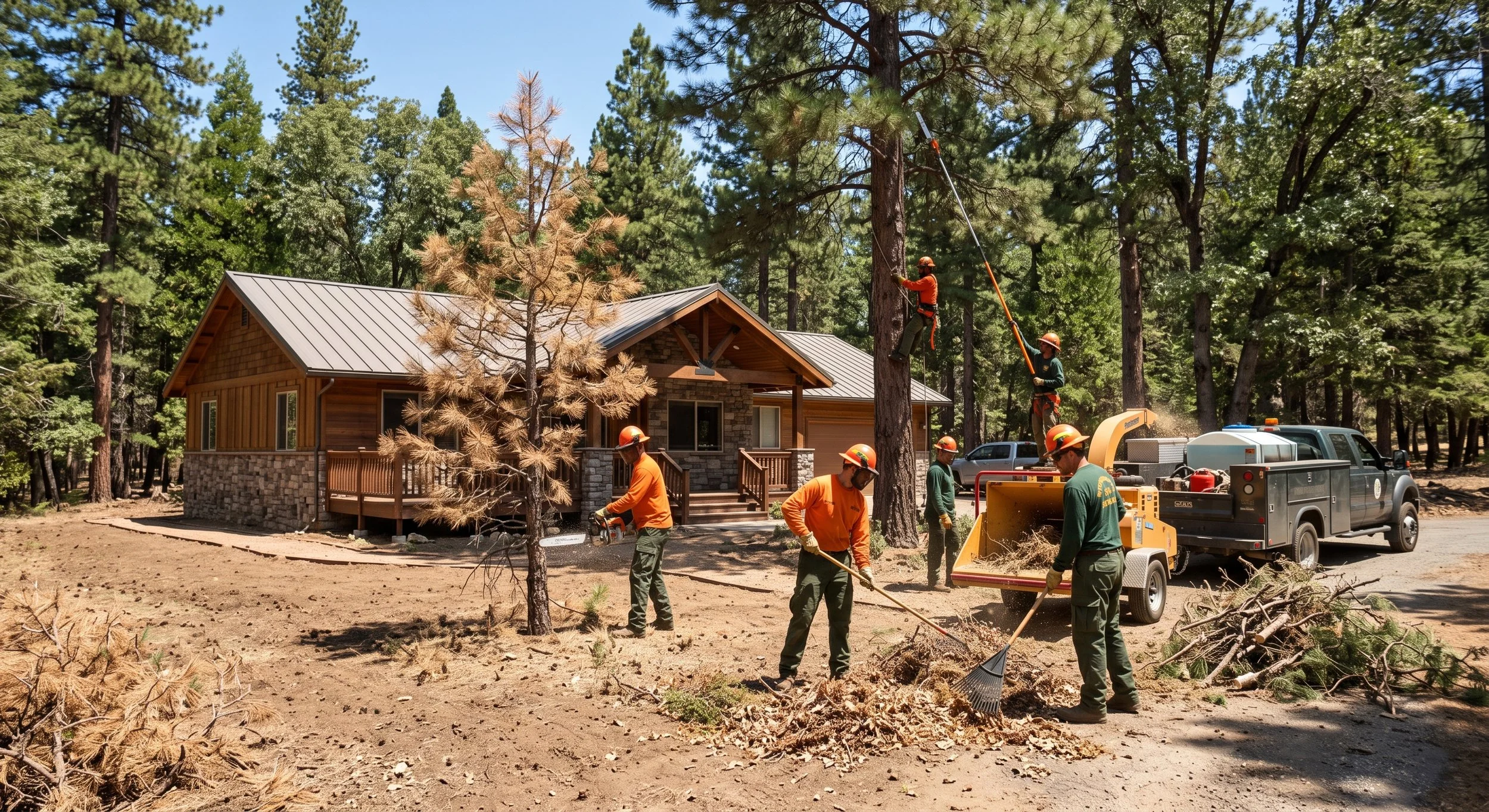
wildfire prevention
Wildfire prevention work transforms landscapes and communities by blending innovation with stewardship: creating resilient forests through strategic fuel reduction, prescribed burns, and community-focused defensible spaces; protecting homes, infrastructure, and air quality while preserving biodiversity; reducing the catastrophic costs and human toll of megafires; and fostering local economies through skilled, year-round forest management jobs. This proactive approach not only honors traditional land-care practices but elevates them with modern science and technology to secure safer, healthier ecosystems for generations.
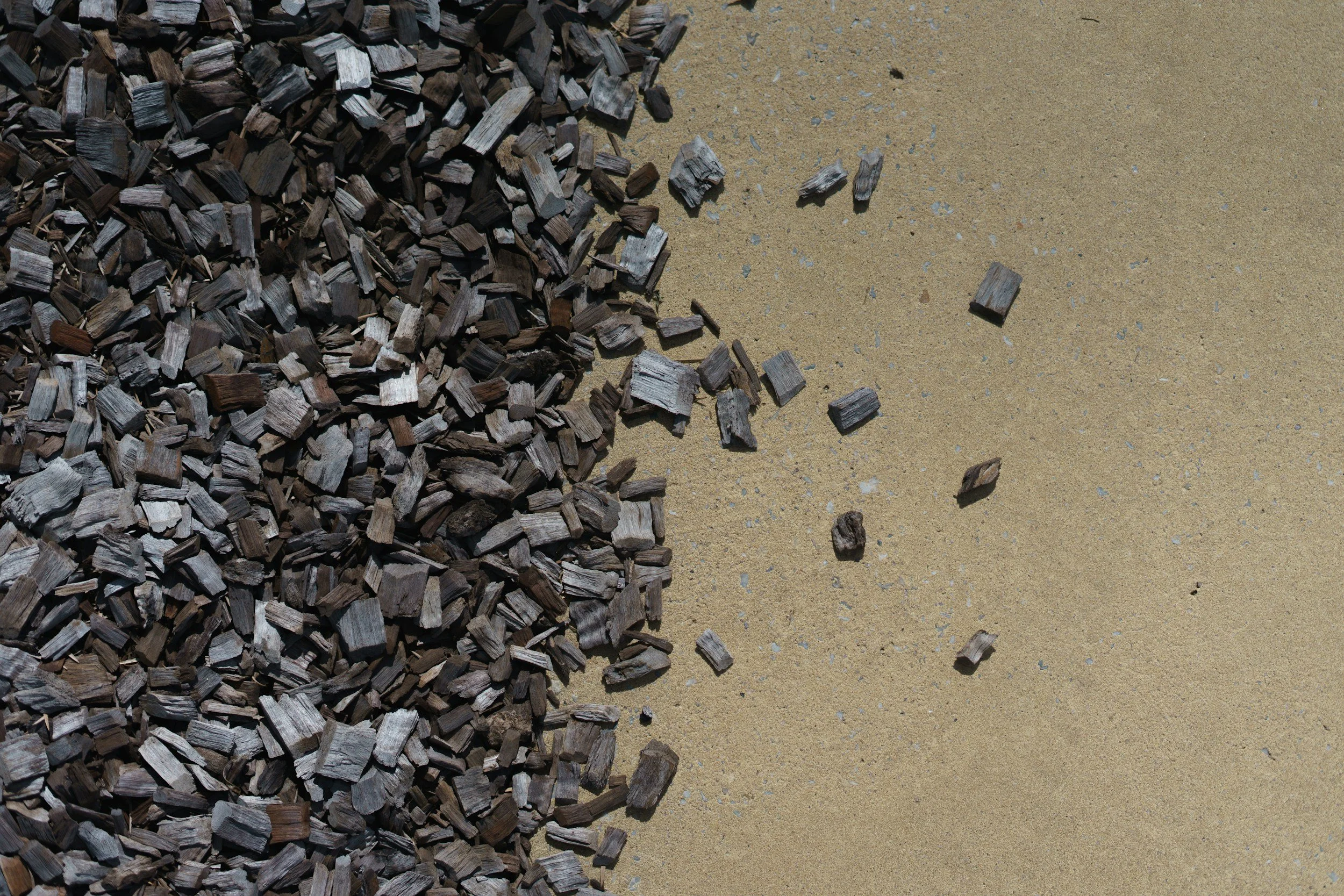
fuels reduction
Fuel reduction work, such as thinning overgrown brush and removing dead wood, is a critical practice that acts as both a shield against catastrophic wildfires and a catalyst for long-term forest vitality. By clearing out the highly combustible ladder fuels that allow flames to climb into the tree canopy, these efforts significantly lower the intensity and spread of potential fires, making them safer and easier for crews to manage. Beyond fire mitigation, thinning overcrowded vegetation reduces fierce competition for scarce resources like water, sunlight, and soil nutrients. This allows the remaining mature trees to grow stronger and deepens their resilience against pests and drought, ultimately cultivating a more balanced, resilient ecosystem where native wildlife and flora can thrive.

forest restoration
Forest restoration goes beyond immediate hazard reduction to actively rebuild and revitalize ecosystems that have been degraded by severe fires, disease, or historical mismanagement. By reintroducing native plant species, stabilizing soils, and repairing natural watersheds, these comprehensive efforts help rebuild critical habitats for local wildlife and promote deep-rooted biodiversity. This holistic approach not only heals scarred landscapes but also enhances the forest's natural ability to sequester carbon and filter pure water, ultimately creating a robust, self-sustaining environment that is better equipped to withstand future climate extremes and environmental stressors.