
fuels reduction
Restoring the Natural Balance of Our Forests
Fire is a natural part of the California landscape. Mega-fires are not. At CHIPS, "Fuels Reduction" is our primary tool for turning the tide against catastrophic wildfires. It is the science of removing the hazardous vegetation—or "fuel"—that allows wildfires to burn hotter, faster, and higher than nature intended.
What is "Fuel"?
In the context of wildfire, fuel is any combustible material in the forest: pine needles, dry grass, dead branches, shrubs, and small, overcrowded trees.
Because of decades of aggressive fire suppression, our forests are currently "overstocked." Areas that should have 50 trees per acre often have hundreds. This unnatural density creates a continuous path for fire to travel, threatening homes, wildlife, and the future of the forest itself.
What The "Ladder Fuel" Problem
The most critical aspect of our work is breaking the "ladder." In an overgrown forest, fire moves from:
Surface Fuels: Grass and needles on the forest floor.
Ladder Fuels: Shrubs, low branches, and small trees that bridge the gap between the ground and the canopy.
Crown Fuels: The tops of the dominant trees.
Our Goal: By removing the ladder fuels, we force fires to stay on the ground where they are manageable and less destructive, preventing them from climbing into the canopy and becoming a crown fire that destroys the forest.
How CHIPS Reduces Fuel
We employ a variety of professional techniques tailored to the specific needs of the landscape:
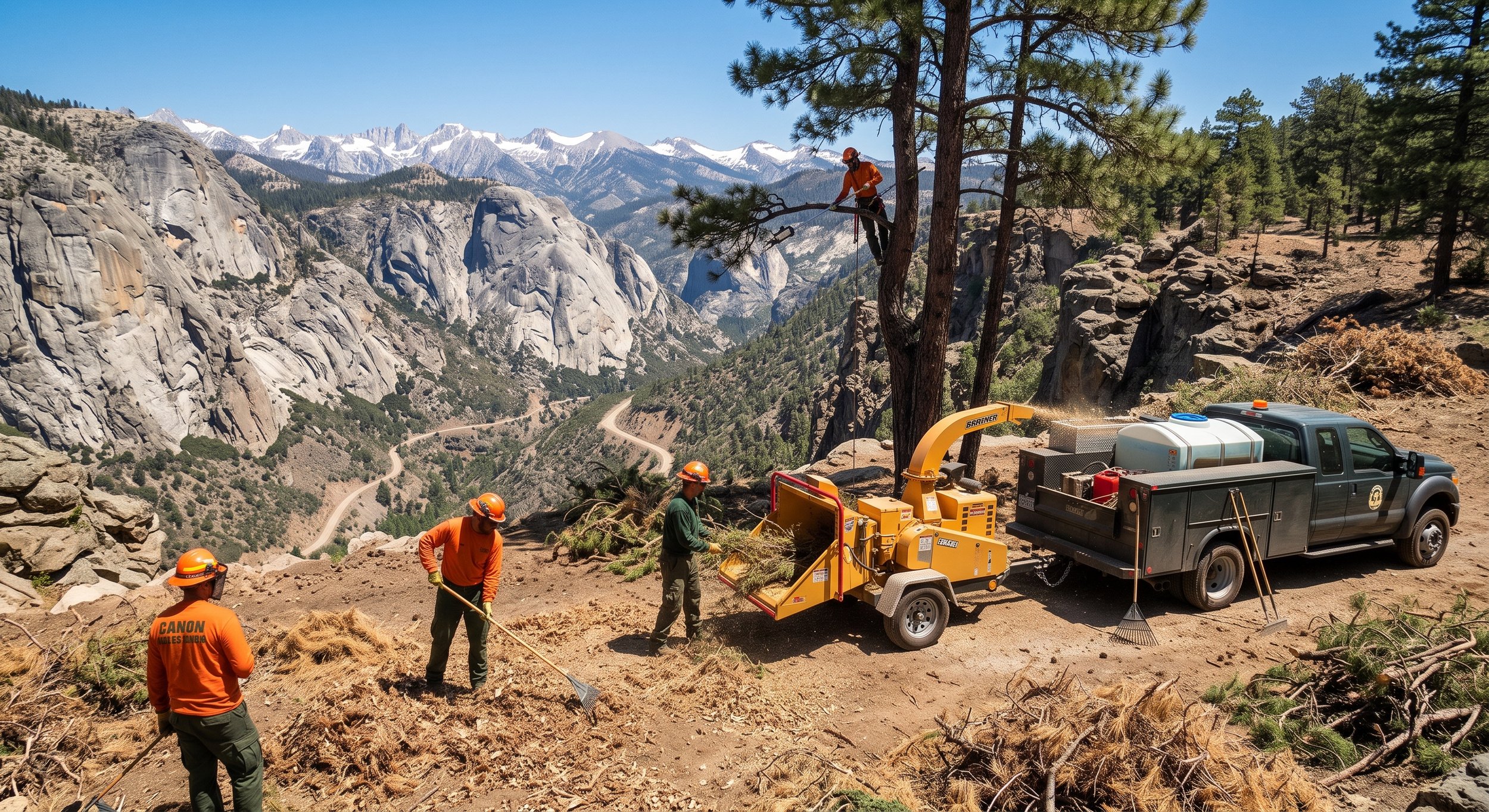
Shaded Fuel Breaks: We create strategic zones where vegetation is thinned to slow advancing fire and provide a safe anchor point for firefighters to work.
Mechanical Thinning: Using specialized machinery to grind or remove dense brush and small-diameter trees while preserving the large, fire-resistant heritage trees.
Hand Crew Work: For steep terrain or sensitive areas (like near streams or homes), our skilled crews use chainsaws and hand tools to surgically remove hazardous vegetation without damaging the soil.
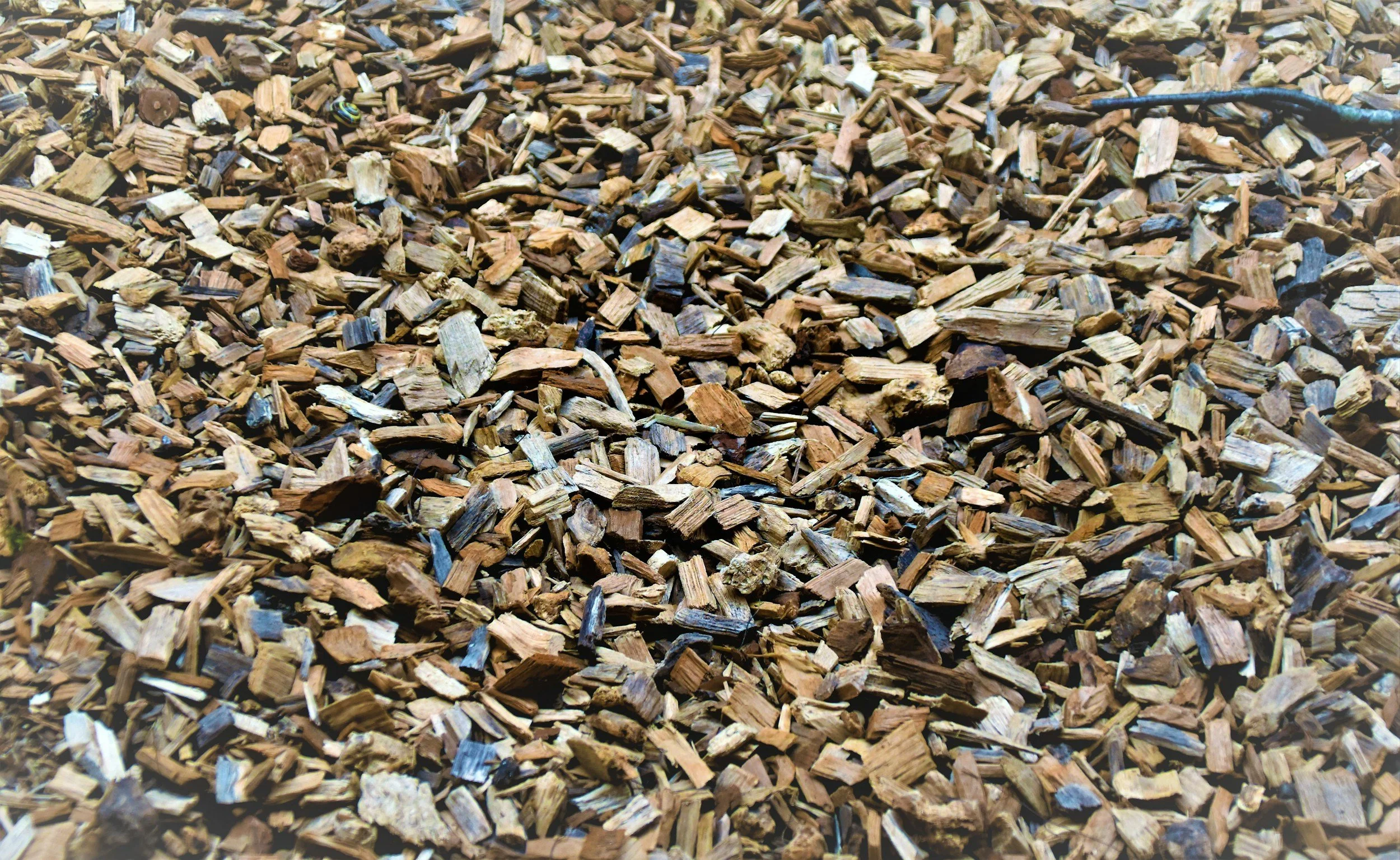
Biomass Removal: We don't just cut; we manage the waste. Material is chipped, masticated (ground into mulch), or removed to ensure it doesn't become dry tinder for the next fire season.
Beyond Fire Safety: A Healthier Forest
Fuels reduction is about more than just safety; it is about forest health.
Drought Resilience: Fewer trees means less competition for limited water. Thinned forests are better equipped to survive California's droughts.
Pest Defense: Healthy, hydrated trees can better produce the pitch needed to fight off bark beetles.
Wildlife Habitat: Opening up the canopy allows sunlight to reach the forest floor, encouraging the growth of native forage for deer and other wildlife.
Proven Expertise
CHIPS has successfully treated thousands of acres across the Sierra Nevada, working in partnership with the U.S. Forest Service, Bureau of Land Management, and private landowners. We bring the same rigorous federal standards of fuels reduction to every project.
Don't wait for smoke in the air. Managing your fuels is the single most effective step you can take to protect your property.