
forest restoration
Healing the Land, One Acre at a Time
We don't just clear the forest; we heal it. At CHIPS, Forest Restoration is the heart of our mission. It is the process of returning our landscapes to their natural, resilient state—a state that existed for thousands of years before fire suppression policies disrupted the cycle of life in the Sierra Nevada.
Restoration goes beyond removing hazards. It is about re-establishing the natural rhythm of the ecosystem, ensuring that our forests can survive drought, resist pests, and thrive for generations to come.
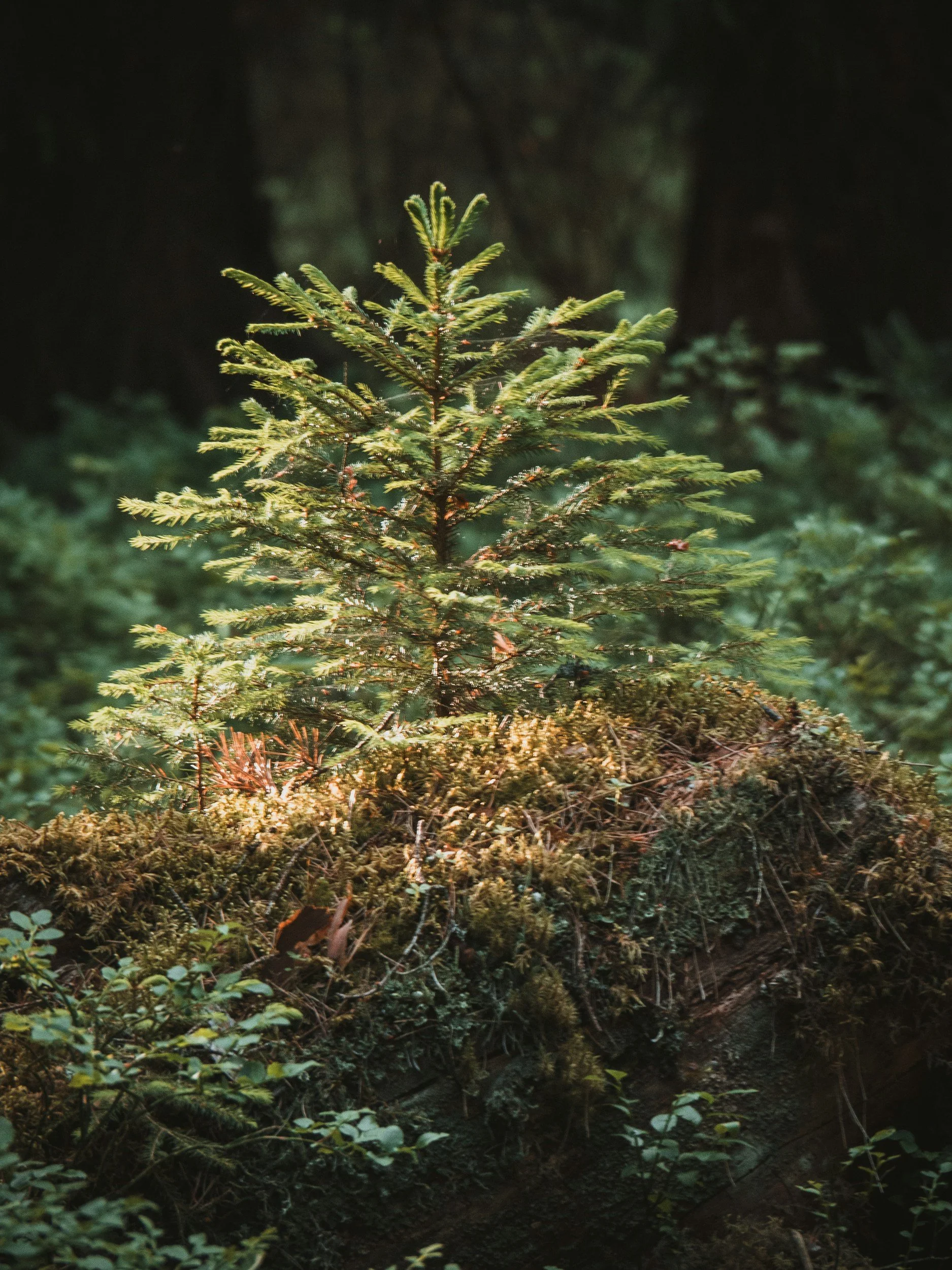
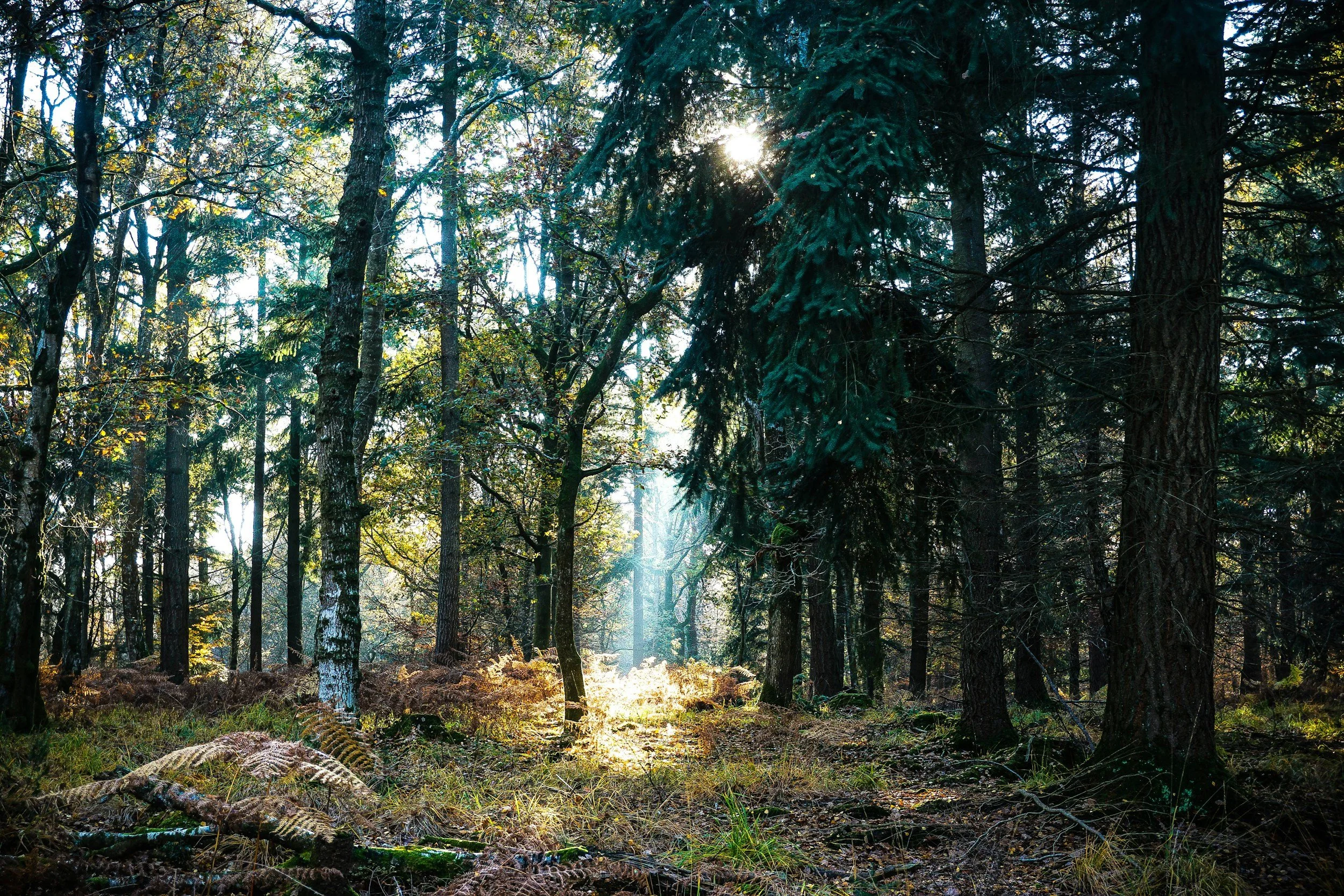
The Problem: A Forest Out of Balance
For over a century, the complete suppression of natural fires has created a crisis.
Overcrowding: Historically, a healthy Sierra forest might have 40 to 60 large trees per acre. Today, many areas have hundreds of small, weak trees competing for the same limited water and sunlight.
Loss of Diversity: Shade-tolerant species (like fir and cedar) have taken over, choking out iconic, fire-resistant species like Ponderosa Pine and Black Oak.
Meadow Encroachment: Conifers are invading mountain meadows, drying up these critical "sponges" that hold our water supply.
The CHIPS Approach: Science Meets Tradition
Our restoration work is unique because it blends modern forestry science with Traditional Ecological Knowledge (TEK).
As an organization with deep roots in the Native American community, we understand that the forest is not a museum to be untouched, but a garden to be tended.
Mimicking Nature: We use mechanical thinning and hand crews to replicate the effects of low-intensity natural fires. We remove the small, weak, and dead vegetation, leaving the strongest trees to grow larger and more resilient.
Oak Woodland Restoration: We specifically target the restoration of Black Oak groves—a keystone species vital for wildlife and Indigenous culture—by removing the conifers that overshadow and kill them.
Meadow Reclamation: We remove encroaching trees from meadow edges, restoring the water table and bringing back wildflowers and native grasses.
Why Restoration Matters
A restored forest does more than just resist fire. It provides:
Water Security: Thinned forests consume less groundwater, allowing more water to flow into streams, rivers, and reservoirs for downstream communities.
Carbon Stability: While dense forests store carbon, they are unstable; one mega-fire releases it all instantly. A restored forest stores carbon safely in large, fire-resistant trees that can survive for centuries.
Biodiversity: Opening the canopy allows sunlight to hit the forest floor, stimulating the growth of berries, grasses, and shrubs that feed deer, birds, and pollinators.
Partner with the Stewards
When you choose CHIPS for restoration, you are supporting a holistic vision of land management. You are helping to turn a ticking time bomb back into a thriving ecosystem.
Let’s restore the balance together.